 Climate Change Impact
Climate Change Impact
Climate Change Impact
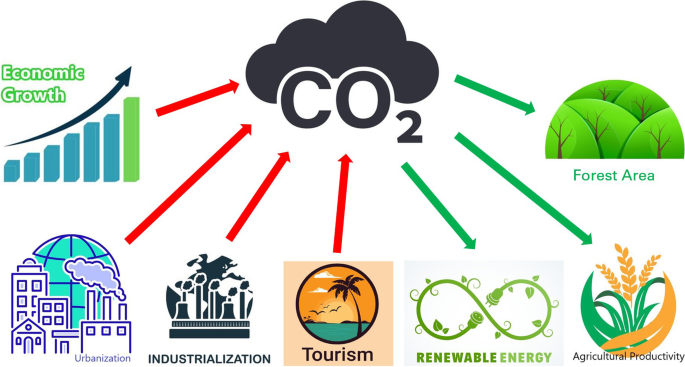
The climate change impact on IT & services sector is becoming increasingly significant as global temperatures rise and extreme weather events become more frequent. The IT industry, once considered environmentally neutral, is now recognized as both a contributor to carbon emissions and a key player in developing climate solutions. This article explains how climate change affects IT infrastructure, operations, energy consumption, supply chains, and future business opportunities.
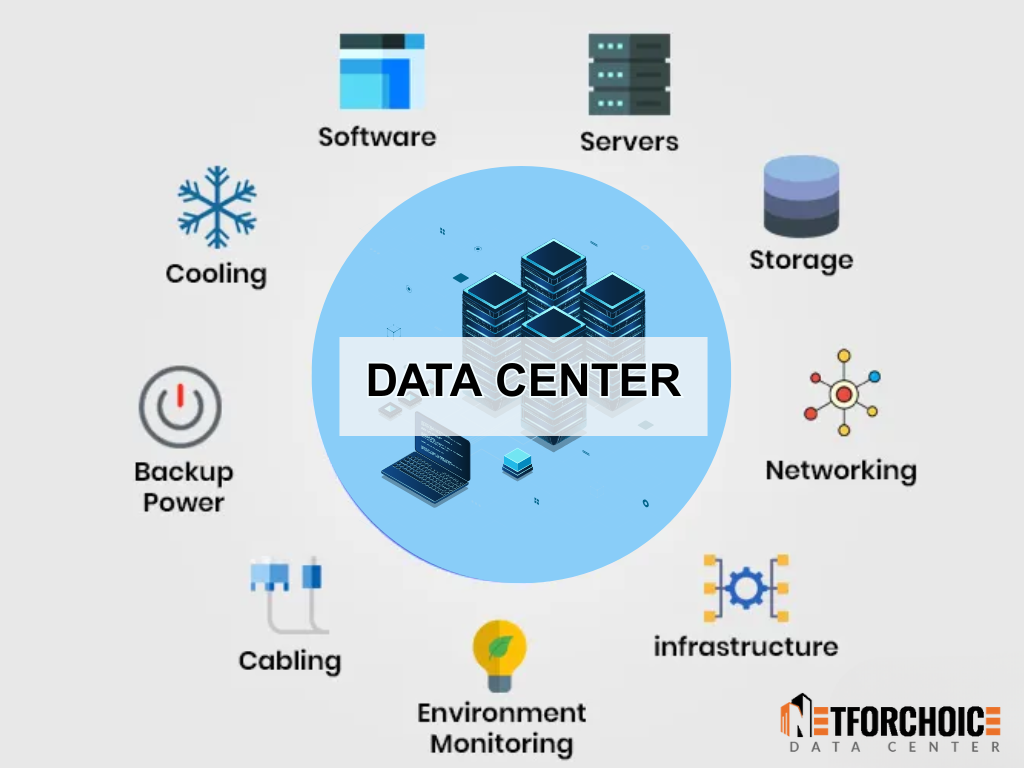
Data centers and digital infrastructure form the backbone of the IT & services sector. Climate change is significantly affecting how these facilities operate, where they are built, and how much they cost to maintain.
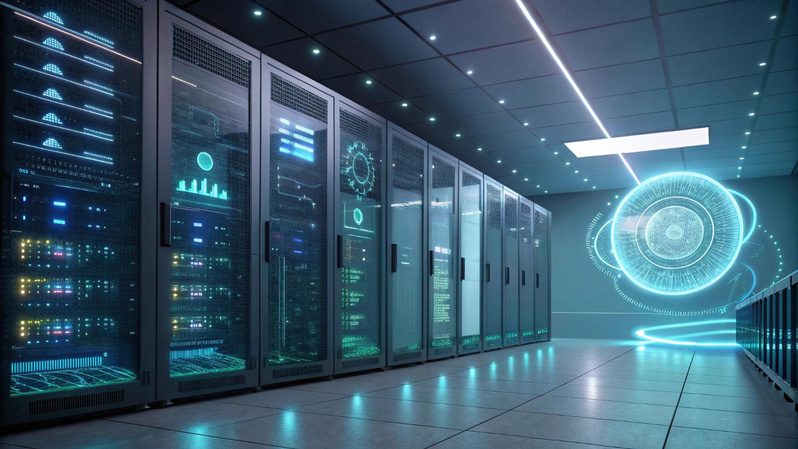
The IT & services sector is one of the fastest-growing consumers of electricity worldwide. As digital transformation accelerates, energy demand and carbon emissions from IT operations continue to rise.
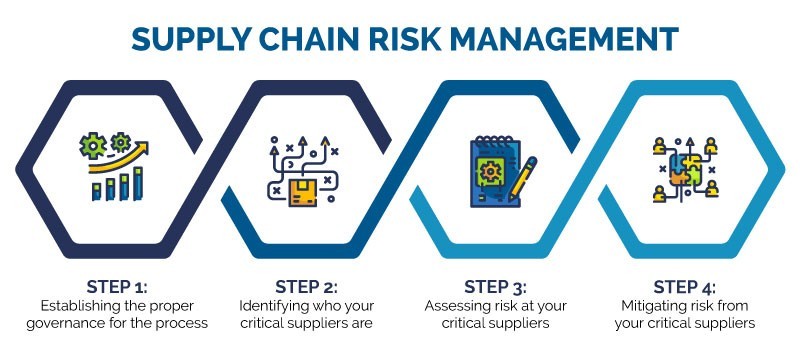
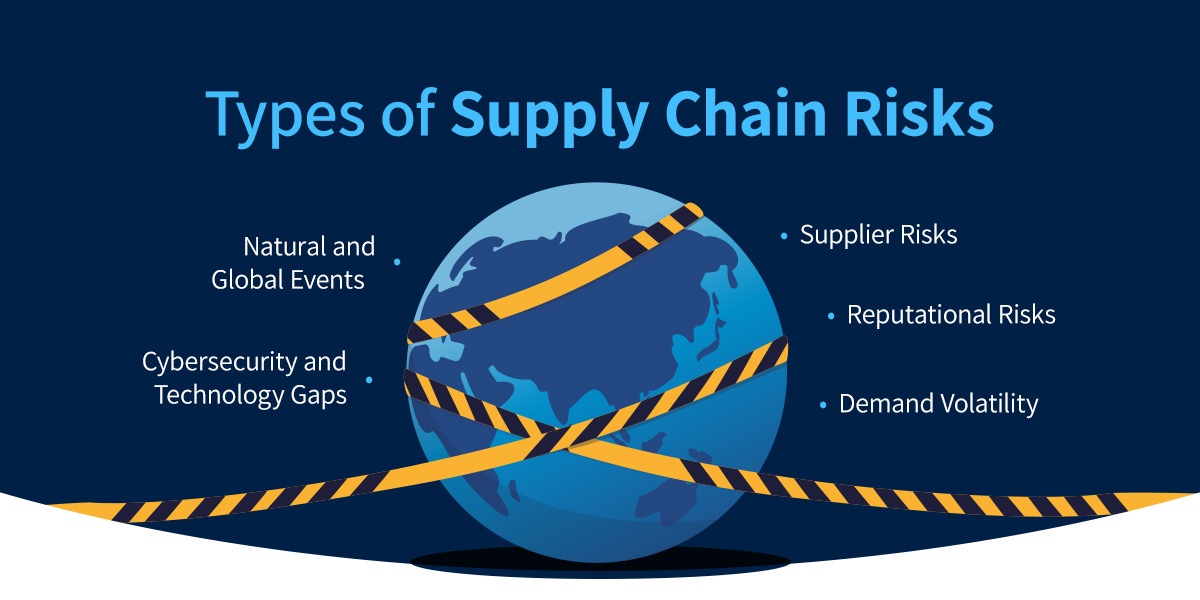
Climate change is increasingly disrupting global supply chains and hardware manufacturing, creating serious risks for the IT & services sector. Since the industry depends heavily on semiconductors, servers, networking equipment, and electronic components, any disruption can affect service delivery and business continuity.
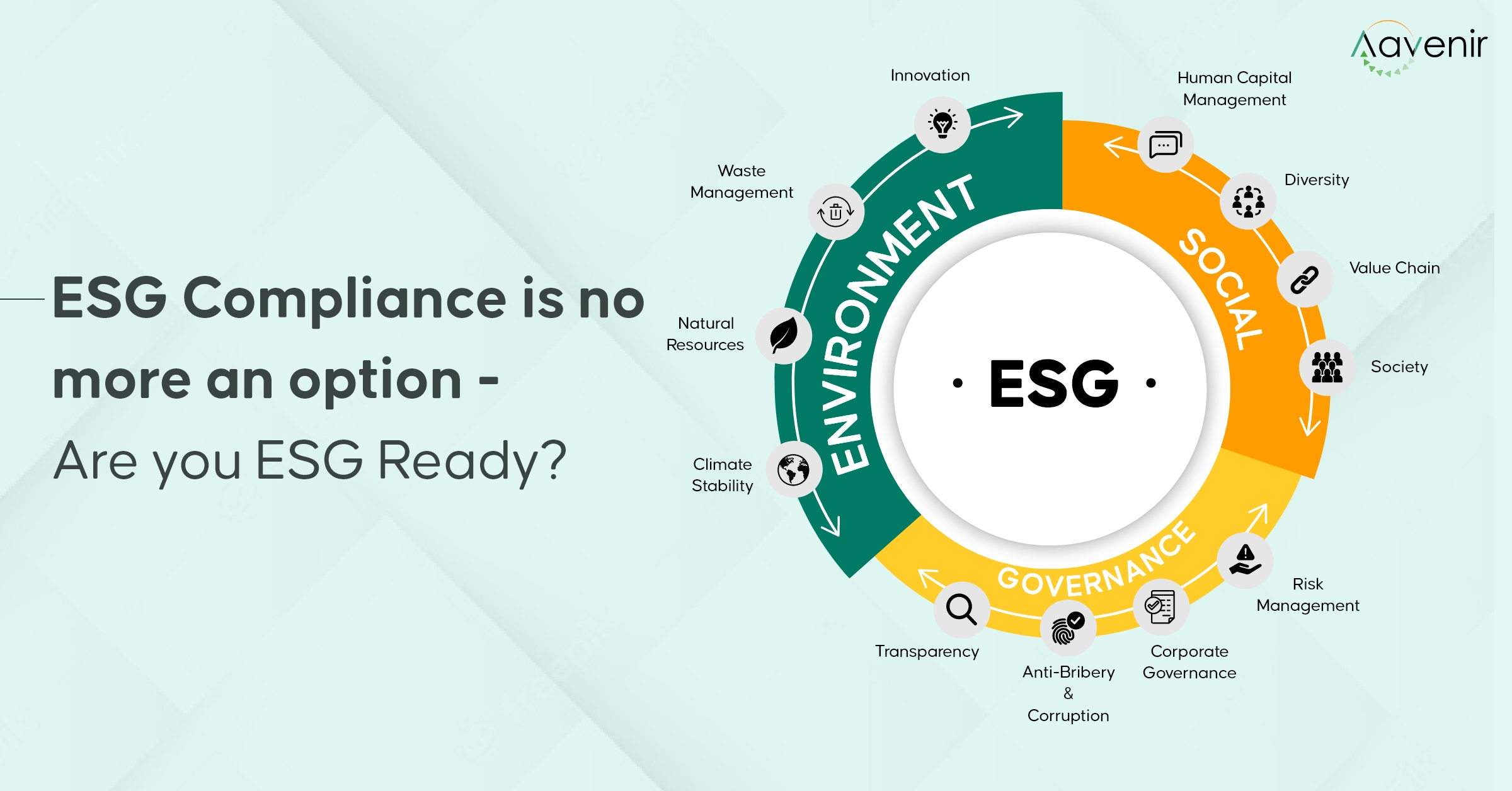
As climate change becomes a global priority, governments and regulatory bodies are introducing stricter environmental laws and ESG (Environmental, Social, and Governance) requirements. The IT & services sector, due to its high energy consumption and global operations, faces increasing regulatory and compliance pressure.


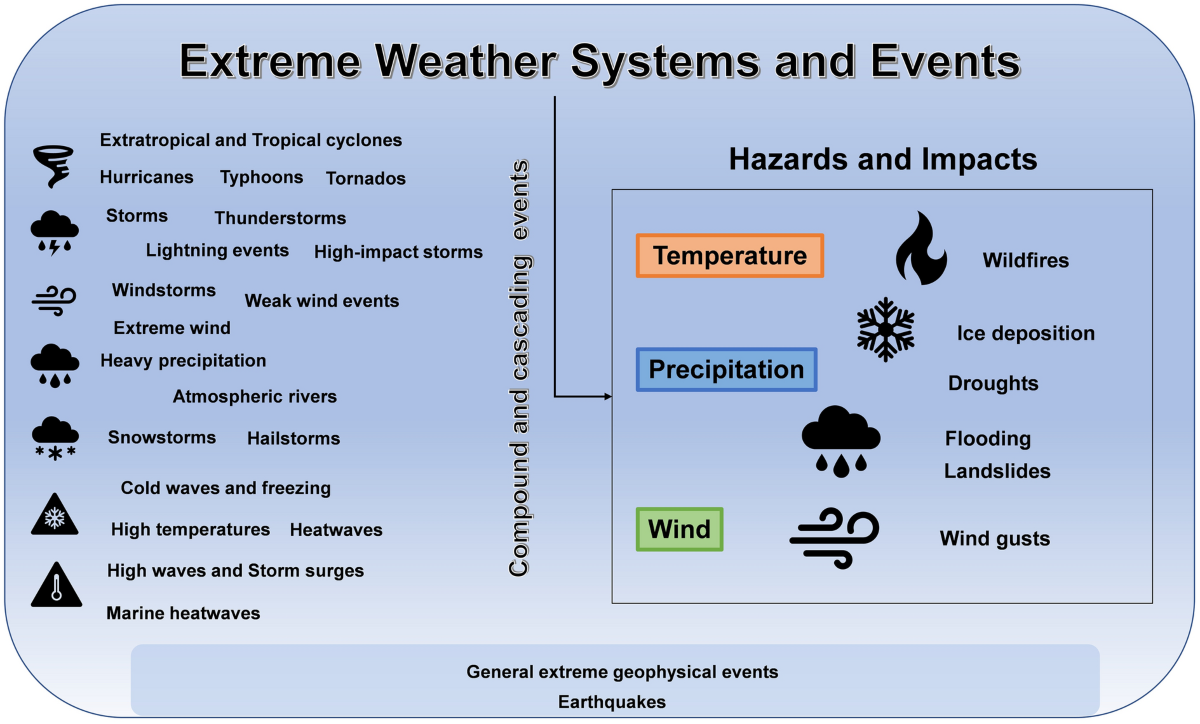
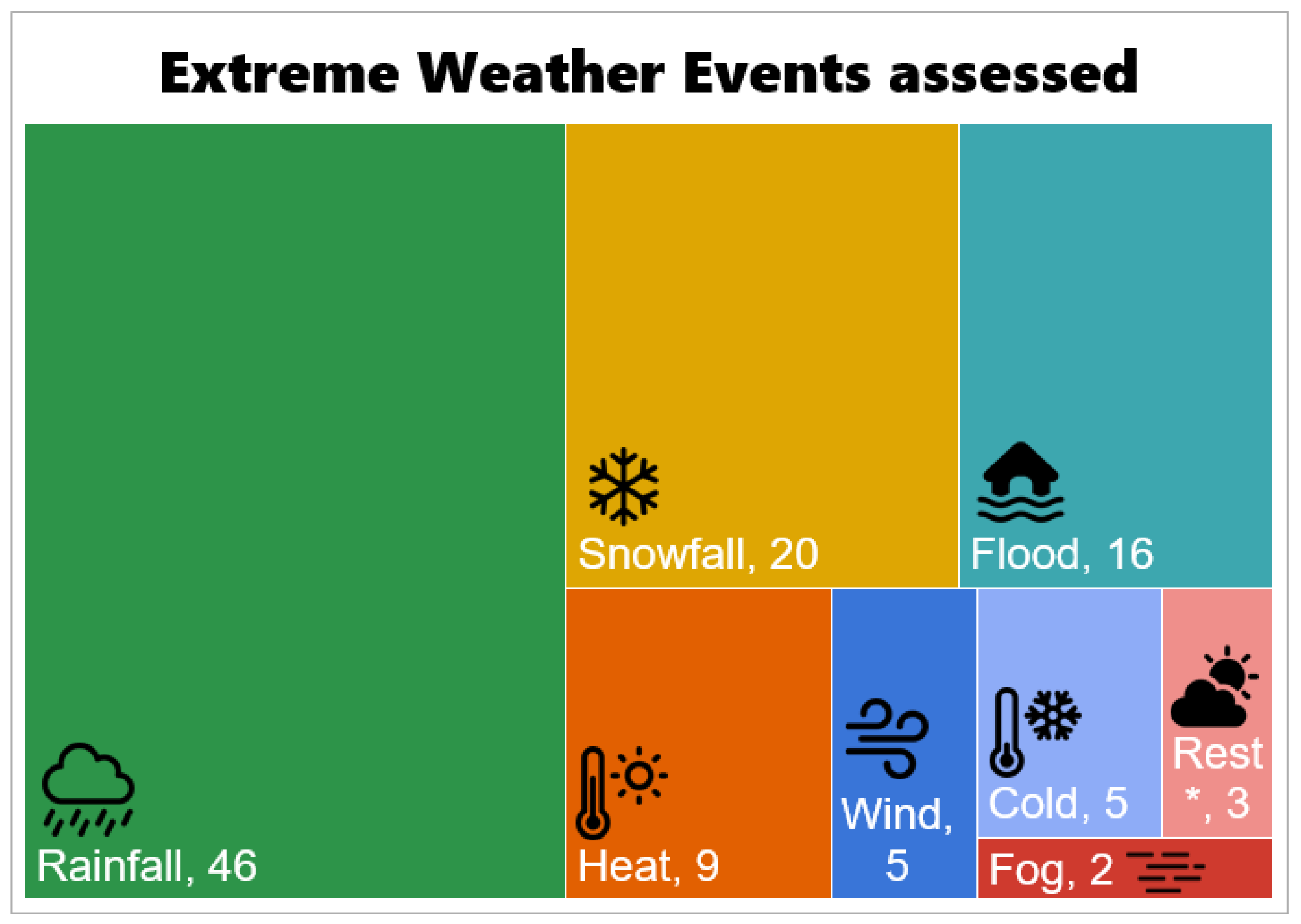
Extreme weather events are becoming more frequent and intense, and they can significantly impact IT infrastructure and service operations. Below is a structured overview of how extreme weather relates to IT & services, including risks, impacts, and mitigation strategies.

A Climate-Aware IT Strategy integrates climate risk, sustainability, and resilience into the planning, deployment, and operation of IT infrastructure and services. It ensures IT systems can withstand environmental disruptions while reducing their carbon footprint.
Cloud & Hybrid Service Adoption involves using a combination of public cloud, private cloud, and on-premises IT infrastructure to deliver IT services.It enables flexibility, scalability, resilience, and climate-aware operations in IT environments.
Business Continuity (BC) refers to the ability of an organization to maintain essential functions during and after a disruption. Operational Flexibility is the capacity to adapt IT and service operations quickly to changing circumstances, including extreme weather, cyberattacks, or infrastructure failures.